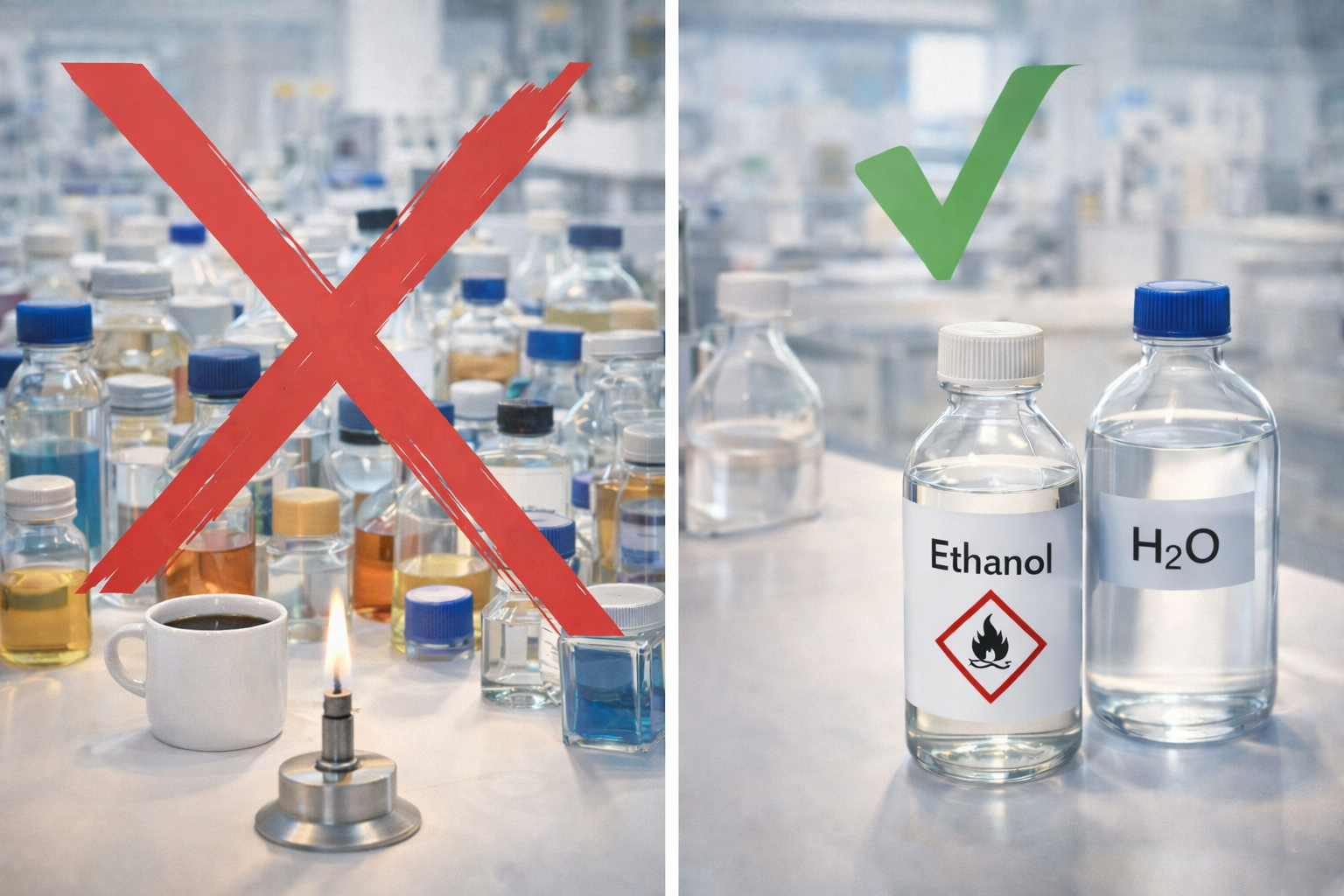
In biomedical research, demanding scientific objectives meet complex safety requirements. Laboratories work with biological agents, hazardous substances, sensitive samples and sometimes highly specialised equipment. A robust occupational safety concept is not a formality here but a prerequisite for reliable results and the protection of staff. FUTUROSALUD supports research institutions and innovative startups in implementing these frameworks in a structured way.
A core element is the systematic Risk assessment for laboratory workplaces. In addition to classic accident hazards, biological risks, chemical hazards, ergonomic loads and psychological factors must be considered. FUTUROSALUD uses modular building blocks that can be adapted to different laboratory areas – from cell culture to animal husbandry to analytical laboratories. This produces a traceable picture of the risk situation, on the basis of which targeted protective measures are defined.
Clearly structured operating instructions and training concepts are equally important. Staff must understand how to use personal protective equipment, safety cabinets and fume hoods correctly, what rules apply in the event of malfunctions and how to handle waste and residues. FUTUROSALUD supports the preparation of these materials and works with those responsible to ensure that content is regularly updated and documented.
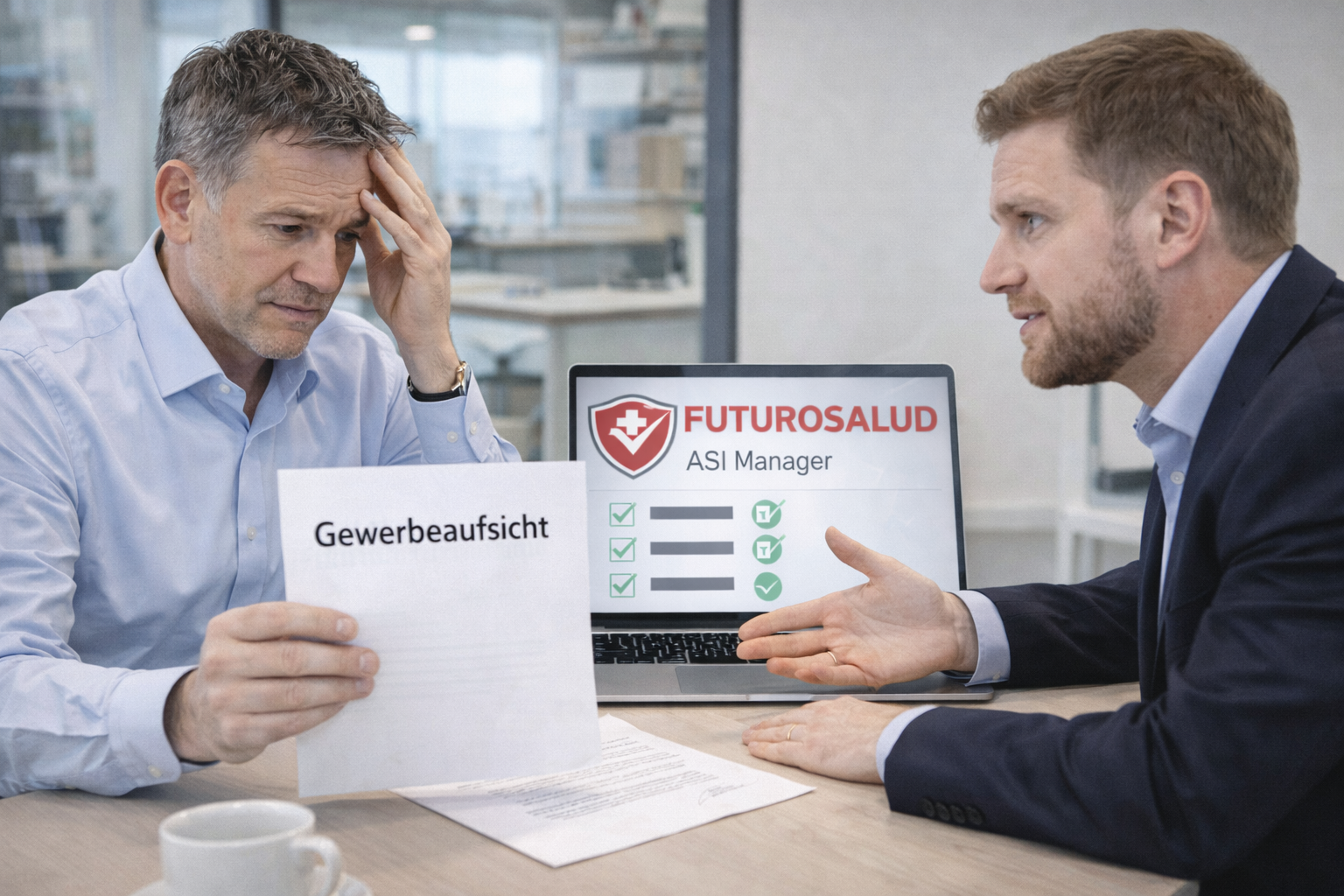
To keep track of the many requirements, the FUTUROSALUD ASI Manager is a useful tool. The platform helps laboratory managers and safety officers to manage risk assessments, measure tracking, training and testing of technical equipment centrally. Follow-up reminders alert to due tasks, and in the event of an audit relevant documents can be compiled quickly. This creates confidence vis-à-vis authorities and promotes a culture of continuous improvement.
With its focus on biomedical research and laboratory environments, FUTUROSALUD links regulatory requirements with a realistic understanding of day-to-day science. The aim is for safety measures to be robust and accepted because they support rather than hinder the workflow. In this way, occupational safety becomes an integral part of responsible research.